
AI-Based OCR System for Steel Product Identification and Verification
Automated Detection, Reading, and Verification of Steel Product Codes Using OCR, Artificial Intelligence, and Machine Vision
In steel production lines, each slab or coil must have a valid identification code that links the physical product to its production data and customer records.
A missing, illegible, or incorrectly marked code can compromise product traceability and create discrepancies between the physical product and the information stored in the production database.
Fanavar Fartak Espadana’s intelligent product code recognition and verification system uses optical character recognition, artificial intelligence, deep learning, and industrial machine vision to automatically detect and read the product identification code and verify it against the reference production data.
The Challenge
In steel production, each product must be linked to its production and customer information through a valid identifier.
Problems such as the following can disrupt product traceability and create discrepancies in production records:
- Missing identification codes
- Illegible codes
- Incorrectly printed or marked information
- Mismatches between the physical product code and the information stored in the production system
Fanavar Fartak Espadana’s Solution
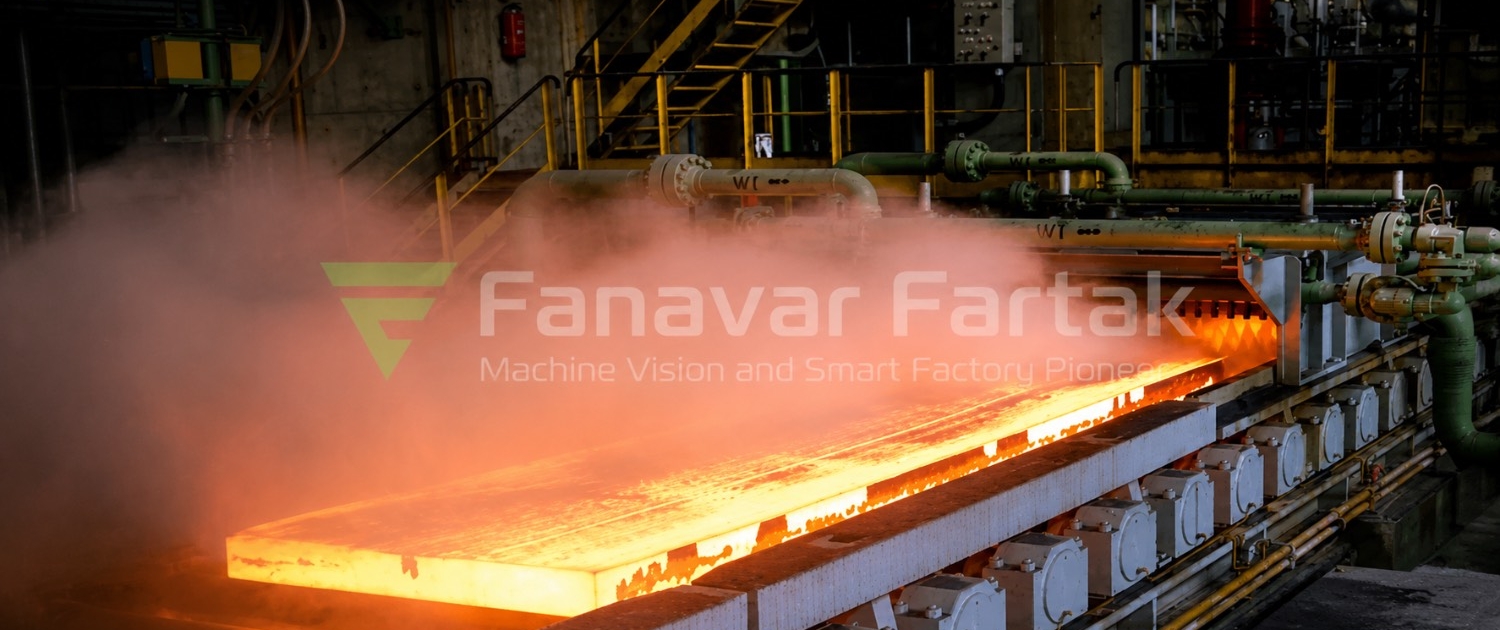
The system is installed at the final stage of production and first checks whether an identification mark or code is present on the product.
The code is then automatically read using OCR technology, and the recognized value is compared with the reference value stored in the production database.
If the code is missing or the recognized code does not match the reference information, the system generates a real-time alert.
Technologies Used
- Optical Character Recognition (OCR)
- Artificial Intelligence (AI) and Deep Learning
- Industrial Machine Vision
- Image Processing
- Character Recognition
- Production Database Integration
System Capabilities
- Automatic detection of product identification marks
- Presence or absence verification of identification codes
- Automatic code reading using OCR
- Recognition of characters marked on the product
- Comparison of the recognized code with reference production data
- Detection of information discrepancies
- Generation of real-time alerts
- Connection to the plant’s production database
- Support for steel product traceability
Key System Specifications
- Automatic detection of identification codes or marks
- Presence or absence verification of identification marks
- Automatic information reading using OCR
- Comparison with the reference value stored in the production database
- Real-time alerts in the event of a mismatch
- Integration with industrial production databas
System Innovation
The application of this system is not limited to product quality control.
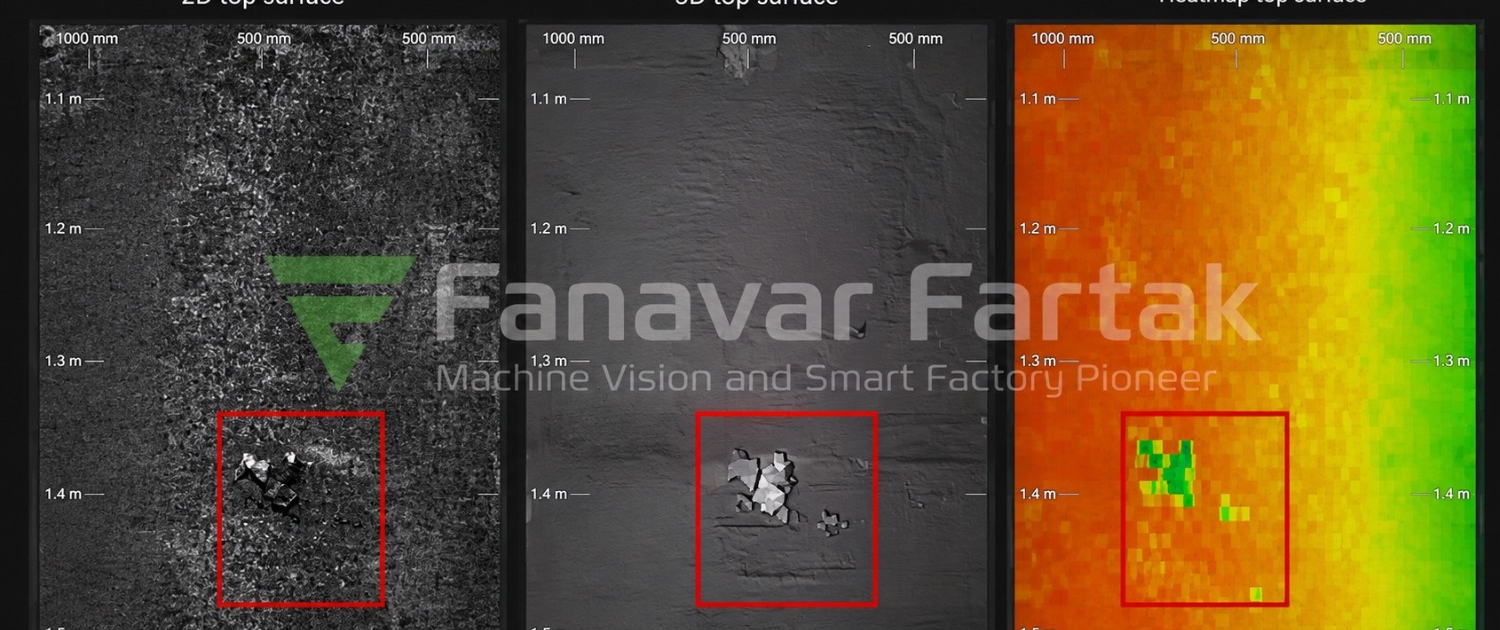
By monitoring recurring defect patterns, the system can provide operators with valuable insights into the condition of the production process and manufacturing equipment.
The repeated occurrence of a specific defect pattern may serve as an early indication of equipment abnormalities. This capability supports Preventive Maintenance activities and can help reduce the risk of unplanned production line downtime.
Target Customers and Markets
- Steel Slab Production Plants
- Continuous Casting Facilities
- Integrated Steelmaking Complexes
This system has been developed and commercialized for industrial use and has the potential for deployment in both domestic and international steel markets.
 Phone :
  Phone :
  Email :